2026 Antarctic ozone hole the largest in a decade: 27.1 million km² at its peak, seventh-largest in 48 years
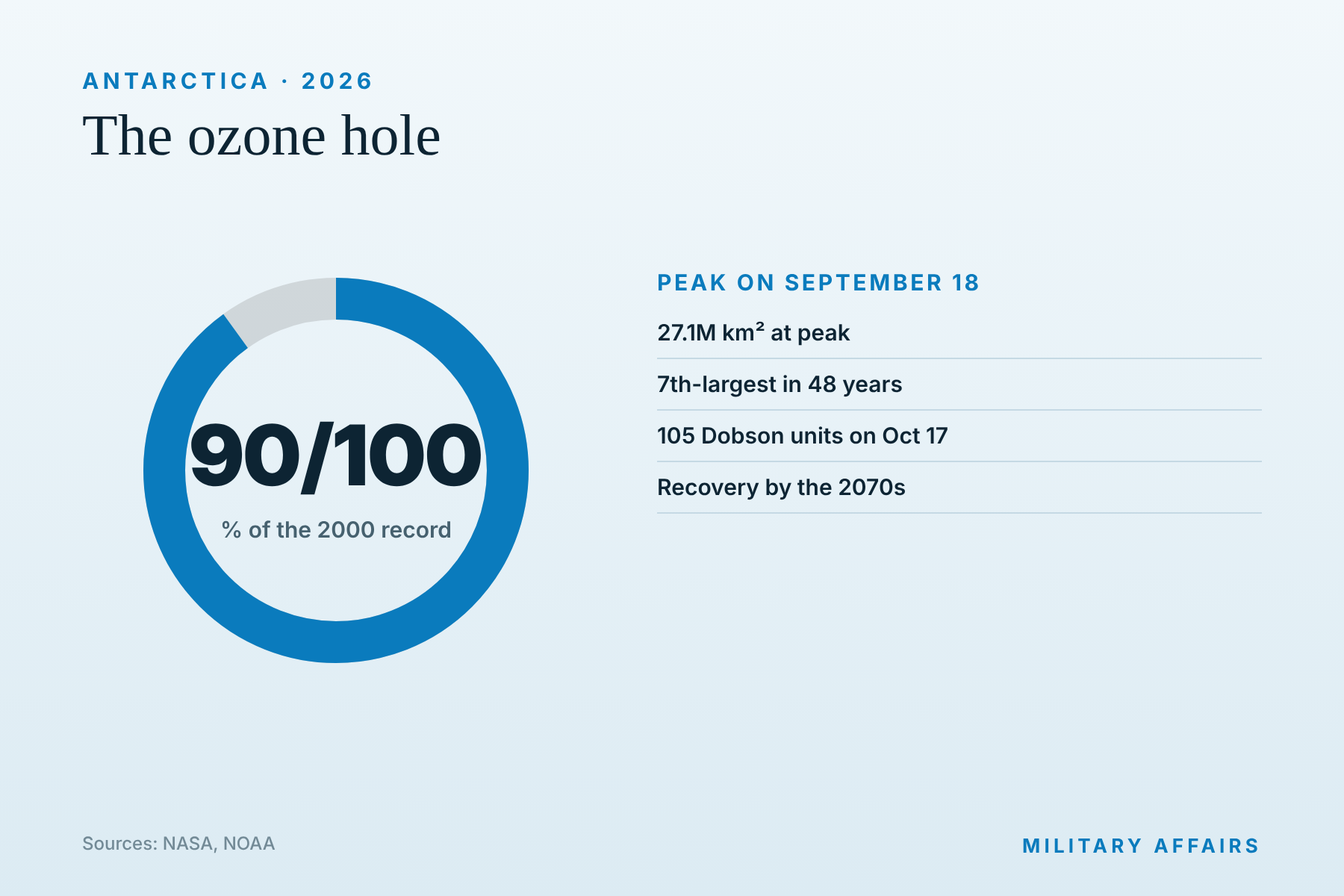
The ozone hole over Antarctica reached its largest extent in a decade this year, NASA and NOAA said. Its average area from September 7 to October 13 was about 25 million square kilometres, making it the seventh-largest in 48 years of observations. It peaked on September 18 at 27.1 million square kilometres, about 90% of the record measured on September 9, 2000.
The lowest ozone concentration over the South Pole was measured on October 17 at 105 Dobson units, against a record low of 92 units in October 2006. Paul Newman of the University of Maryland, long-time leader of NASA's ozone research team at Goddard, says the polar vortex was unusually large this year. By his estimate, the hole would have been larger still if ozone-depleting substances were at 2000 levels.
Long-term recovery
Stephen Montzka of NOAA's Global Monitoring Laboratory says stratospheric chlorine linked to ozone-depleting chemicals has fallen by about a third from its 1980s peak. Full recovery of the ozone layer is expected by the 2070s.
Sources and references
- I.ScienceDaily / NOAA, NASANASA reveals Earth's ozone hole has grown to a size not seen in a decade🔗 https://www.sciencedaily.com/releases/2026/11/261110042546.htm
Keep reading
Selected long reads to continue with.
 LONG READ
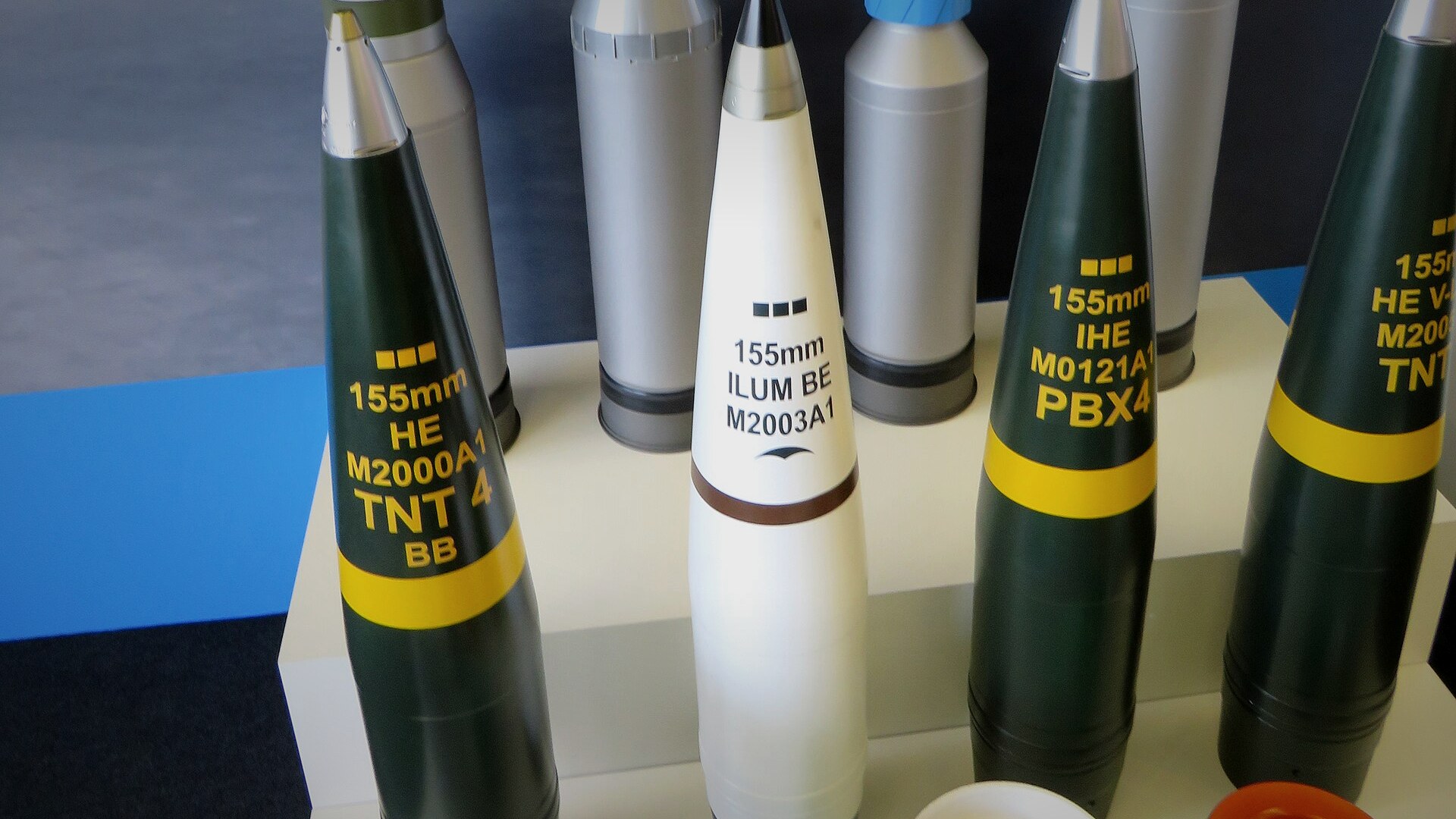
Europe's war reindustrialisation: how the continent is returning to arms factories and where the shift is heading
 LONG READ
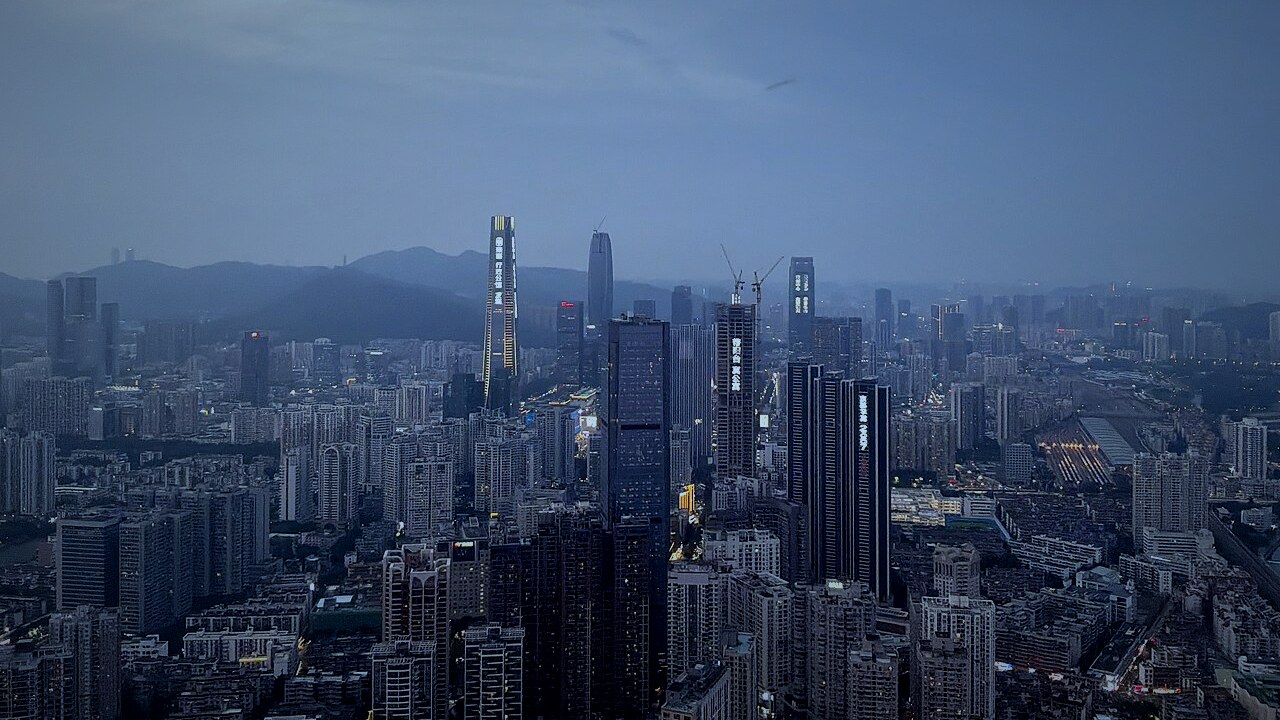
After Shenzhen: what Trump, Xi and Putin achieved at the round table, and what stayed behind closed doors
 LONG READ
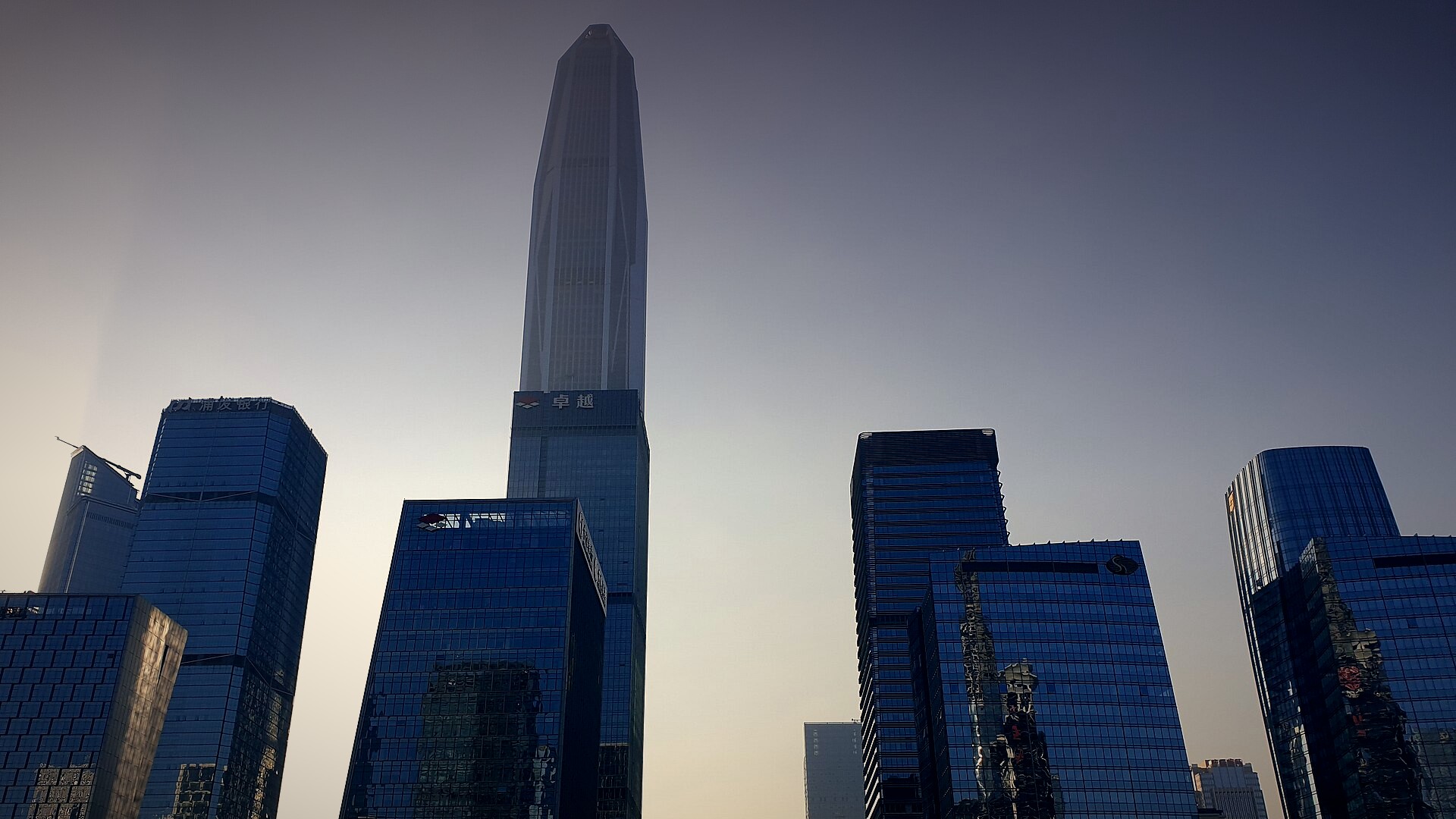
Shenzhen: the first Trump–Xi–Putin meeting and the limits of the big three
 LONG READ
Comments 0
No comments yet.