After Shenzhen: what Trump, Xi and Putin achieved at the round table, and what stayed behind closed doors
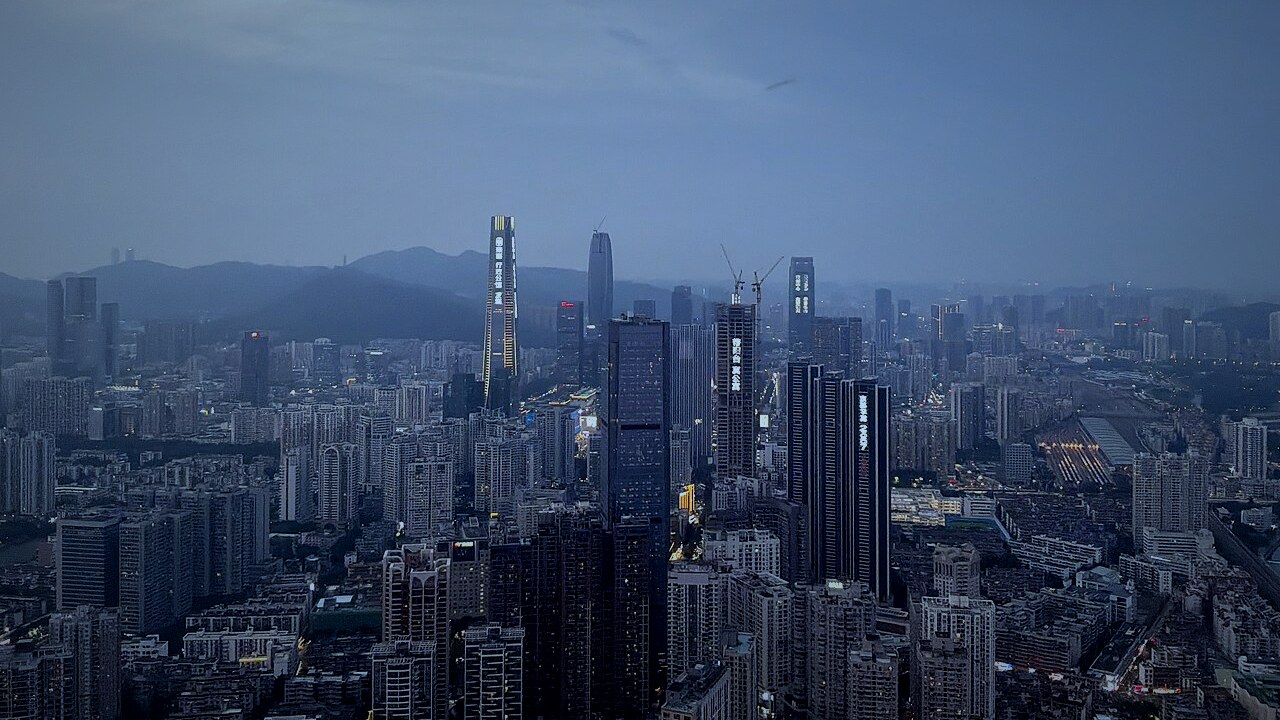
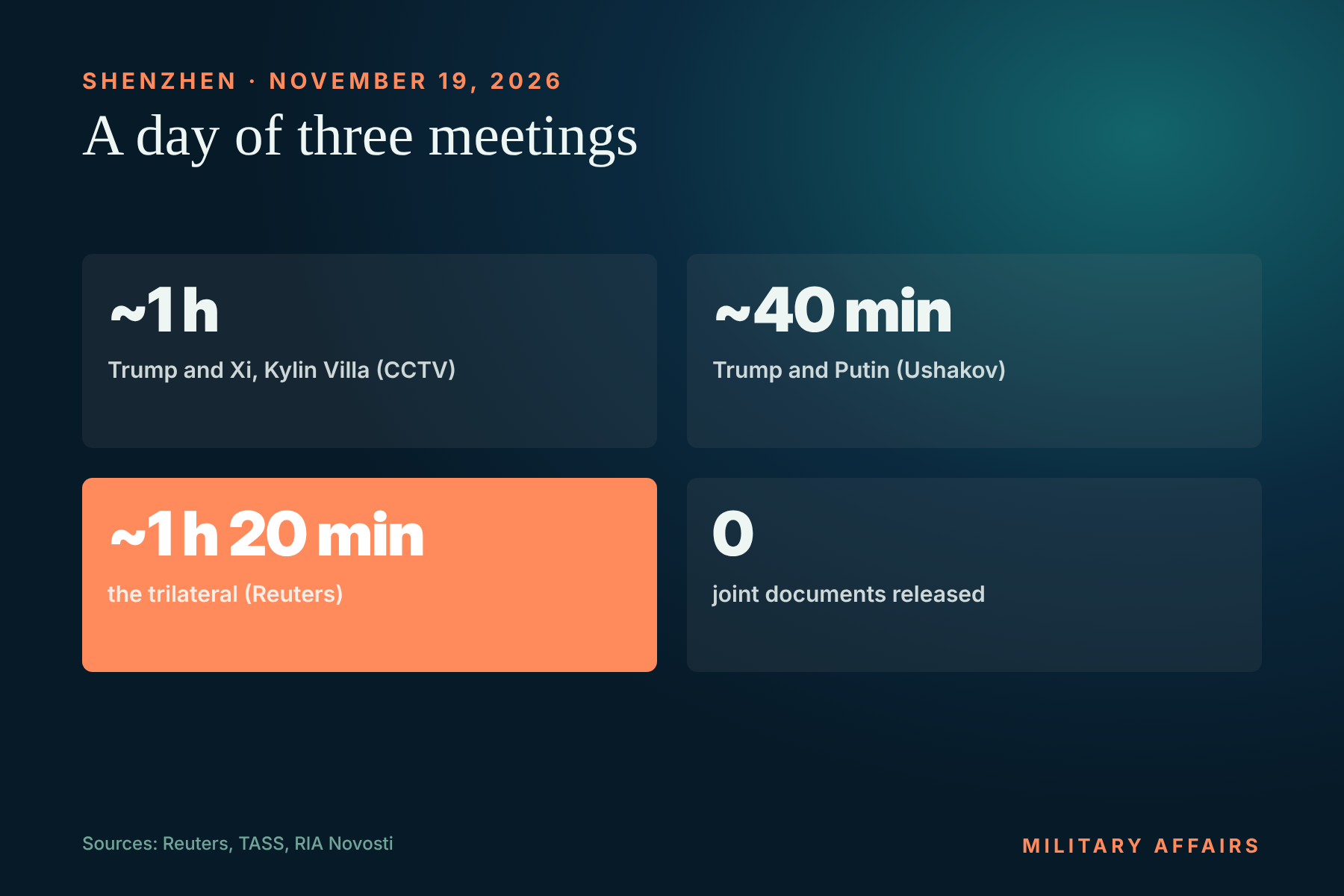
US President Donald Trump, Chinese President Xi Jinping and Russian President Vladimir Putin held the first trilateral meeting in the history of the three countries at Kylin Villa in Shenzhen on November 19, Reuters and TASS report. According to Reuters, the round-table meeting lasted about an hour and twenty minutes, while TASS says the closed part lasted an hour and a half. Chinese state media report that Xi chaired the meeting. No joint document was published, and RIA Novosti had relayed participants' warnings in advance that no binding documents should be expected from a first meeting.
Two bilateral talks preceded the meeting. Trump and Xi met for about an hour, from around 05:30 GMT, TASS reports citing Chinese state television. Trump and Putin talked for about 40 minutes, and Kremlin aide Yury Ushakov said Ukraine was the main topic. Russia's delegation to the trilateral was broad, according to TASS: Sergei Lavrov, Ushakov, Anton Siluanov, Maxim Oreshkin and Andrei Belousov.
Three speeches, three wars
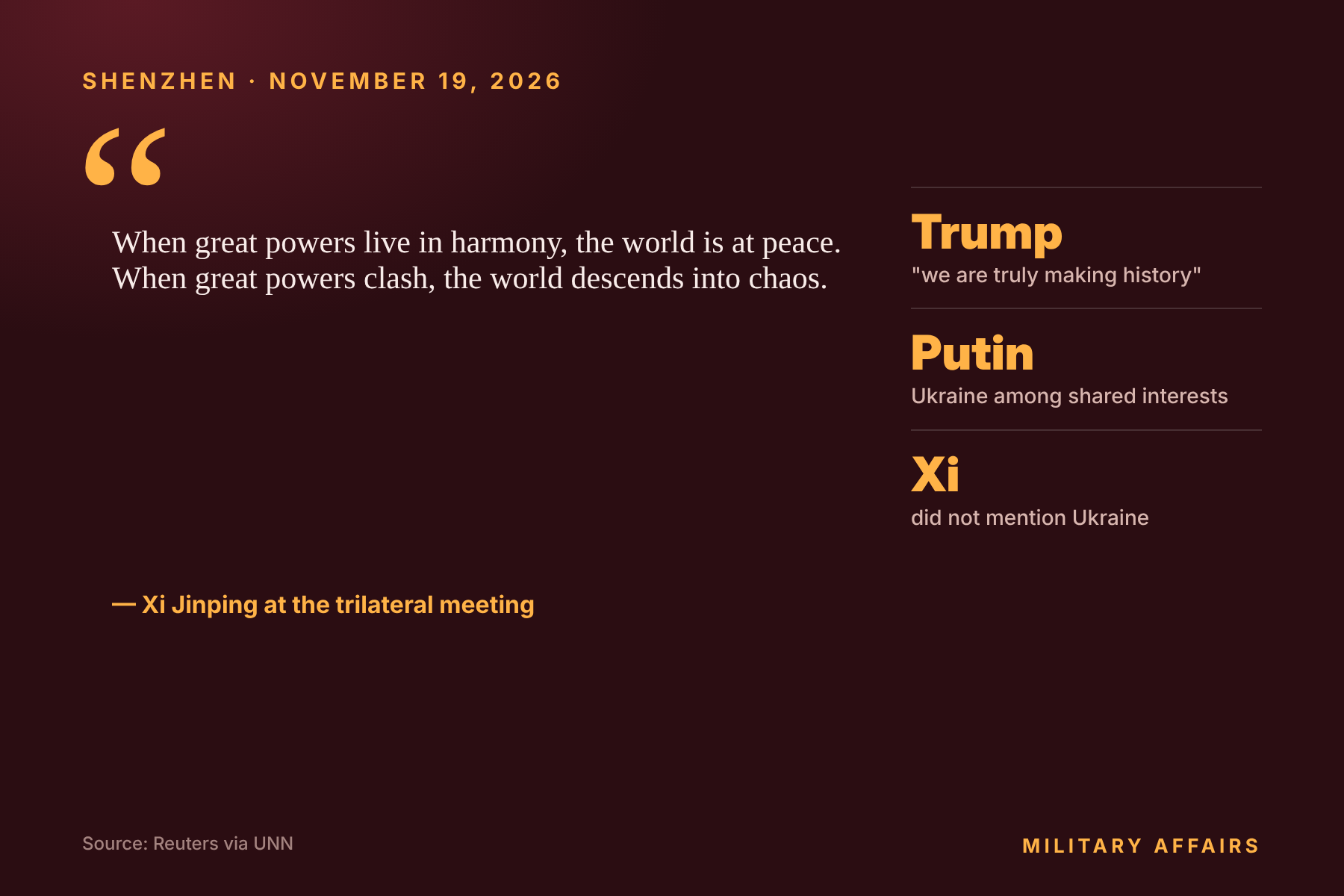
The opening remarks say the most about the meeting, because each leader spoke about a different problem. "We are truly making history," Trump said, Reuters reports. "There is a lot for the three of us to discuss." He added that "no peace has ever been created by reducing the possibilities for interaction".
Putin spoke of "numerous shared interests in resolving regional conflicts, including, obviously, the conflict in Ukraine". Xi spoke the language of order rather than crisis: "History tells us that when great powers live in harmony, the world is at peace. When great powers clash, the world descends into chaos." He did not mention Ukraine, according to Reuters.
That difference is the essence of Shenzhen. For Putin, a table with Trump and Xi is a chance to present Ukraine as one of the "regional conflicts" that great powers settle among themselves. For Xi, the goal is the format itself, in which China is host and arbiter of great-power relations, without any obligation to take responsibility for a war in Europe. For Trump, as he said himself, the meeting is historic in itself.
Nuclear weapons: a shared topic, different goals
The White House billed nuclear arms reduction as the main topic, after the New START treaty expired in February. Before the trip Trump told Fox News that the US has about 4,000 and Russia about 3,800 nuclear warheads, while China "now has four or five hundred, but they're going to catch (up)", AFP reports. Beijing has said, according to AFP, that it will discuss its smaller arsenal only after the US and Russia reduce theirs.
Vedomosti reports that Xi called at the meeting for a complete ban on and destruction of nuclear weapons, and that Trump did not rule out inspections of nuclear arsenals in all three countries. The two positions are not mutually exclusive, but they point in different directions: a demand for complete disarmament is a non-binding long-term principle, while inspections are an operational step that China, with the least transparent arsenal of the three powers, would find hard to accept. There is no information that any mechanism, working group or further negotiations were agreed.
Iran: the only common denominator
Trump repeated, according to Vedomosti, that the US will not allow Iran to obtain a nuclear weapon. Moscow and Beijing agree with that in principle. The meeting, however, took place as The New York Times reports that Trump is weighing a new round of extensive strikes on Iran, with Israel pressing for a four- to seven-day air campaign. Brent crude stood near $92 a barrel that morning. China, as the largest buyer of Iranian oil, and Russia, as Tehran's partner, have no interest in supporting a new round of strikes, but no means to prevent it either.
The most concrete: the Trump–Xi bilateral
The day's most tangible result was not trilateral. According to RIA Novosti, Trump and Xi agreed to draw up a joint plan of action on "constructive strategic stability". Xi urged the US to "act properly" on Taiwan, and Trump replied that the US does not support Taiwanese independence. Alongside a trade truce valid until January 10 and a new dispute over US export restrictions on AI chips, this shows that for Beijing the real substance of Shenzhen was US-Chinese, with the trilateral part as the frame.
Ukraine: in through the front door, out without results
Washington first said Ukraine would not be on the agenda, then Trump said it would be discussed. Ushakov says Ukraine was the main topic of the Trump–Putin talks, and Putin raised it at the trilateral table too. No concrete outcome has been announced. The meeting took place as the Crimean Bridge was hit for the third time in four days, and Kyiv and European capitals were not at the table. The same day in Berlin, US representatives are, according to Zelensky, to brief Ukraine and its allies at the Coalition of the Willing meeting on the talks in China.
Assessment
Shenzhen did not become a new Yalta: there was no division of spheres of influence, no document, and the leaders did not speak the same language. Yet the format has been created, and that is Xi's gain. China hosted Washington and Moscow as a chairing host rather than a party to a war. Putin got an equal seat at the table without a Ukrainian precondition. Trump got the picture he wanted, but no commitment from either side on nuclear arms or Iran.
The real test comes later: whether "constructive strategic stability" produces a US-Chinese expert channel, whether Moscow offers anything more in Berlin and Abu Dhabi than before, and whether Washington decides on Iran independently of what it heard in Shenzhen.
Sources and references
- I.UNN / ReutersThe trilateral meeting between Trump, Xi, and Putin has ended🔗 https://unn.ua/en/news/the-trilateral-meeting-between-trump-xi-and-putin-has-ended
- II.360.ru / TASSТрехсторонняя встреча Путина, Трампа и Си Цзиньпина завершилась🔗 https://360.ru/news/mir/trehstoronnjaja-vstrecha-putina-trampa-i-si-tszinpina-zavershilas/
- III.Mail.ru / RIA NovostiТрехсторонние переговоры России, Китая и США: ключевые заявления🔗 https://news.mail.ru/politics/73158043/
- IV.Mail.ru / Life.ruВстреча Путина и Трампа 19 ноября 2026: итоги переговоров🔗 https://news.mail.ru/politics/73155103/
- V.VedomostiТрехсторонние переговоры Путина, Си и Трампа завершились🔗 https://vedomosti.ru/politics/news/2026/11/19/1413322-peregovori-zavershilis
- VI.OSN / RIA NovostiПереговоры Путина, Трампа и Си Цзиньпина закончились🔗 https://www.osnmedia.ru/politika/peregovory-putina-trampa-i-si-tszinpina-zakonchilis
- VII.TASSXi Jinping, Trump conclude hour-long meeting in Shenzhen🔗 https://tass.com/world/2221029
- VIII.The Tribune / ANITrump holds bilateral talks with Putin in Shenzhen🔗 https://www.tribuneindia.com/news/apec-summit/wonderful-things-can-come-out-of-this-trump-holds-bilateral-talks-with-putin-in-shenzen
- IX.Dawn / AFPTrump holds talks with 'friend' Putin ahead of trilateral moot with Xi🔗 https://www.dawn.com/news/2045630/trump-holds-talks-with-friend-putin-ahead-of-trilateral-moot-with-xi
- X.Al JazeeraWhat do Trump, Putin and Xi want from their Shenzhen meeting?🔗 https://www.aljazeera.com/news/2026/11/19/what-do-trump-putin-and-xi-want-from-their-shenzhen-meeting
- XI.UkrinformZelensky announces Coalition of the Willing meeting in Berlin🔗 https://www.ukrinform.net/rubric-polytics/4186141-zelensky-announces-coalition-of-the-willing-meeting-in-berlin-with-us-representatives-expected.html
- XII.Kyiv IndependentUkrainian forces once more hit Russia's Crimean Bridge🔗 https://kyivindependent.com/ukrainian-forces-once-more-hit-russias-crimean-bridge-days-after-devastating-strike/
- XIII.investingLiveOil holds near $92 as Gulf attacks mount🔗 https://investinglive.com/news/investinglive-asia-pacific-market-news-oil-holds-near-92-as-gulf-attacks-mount/
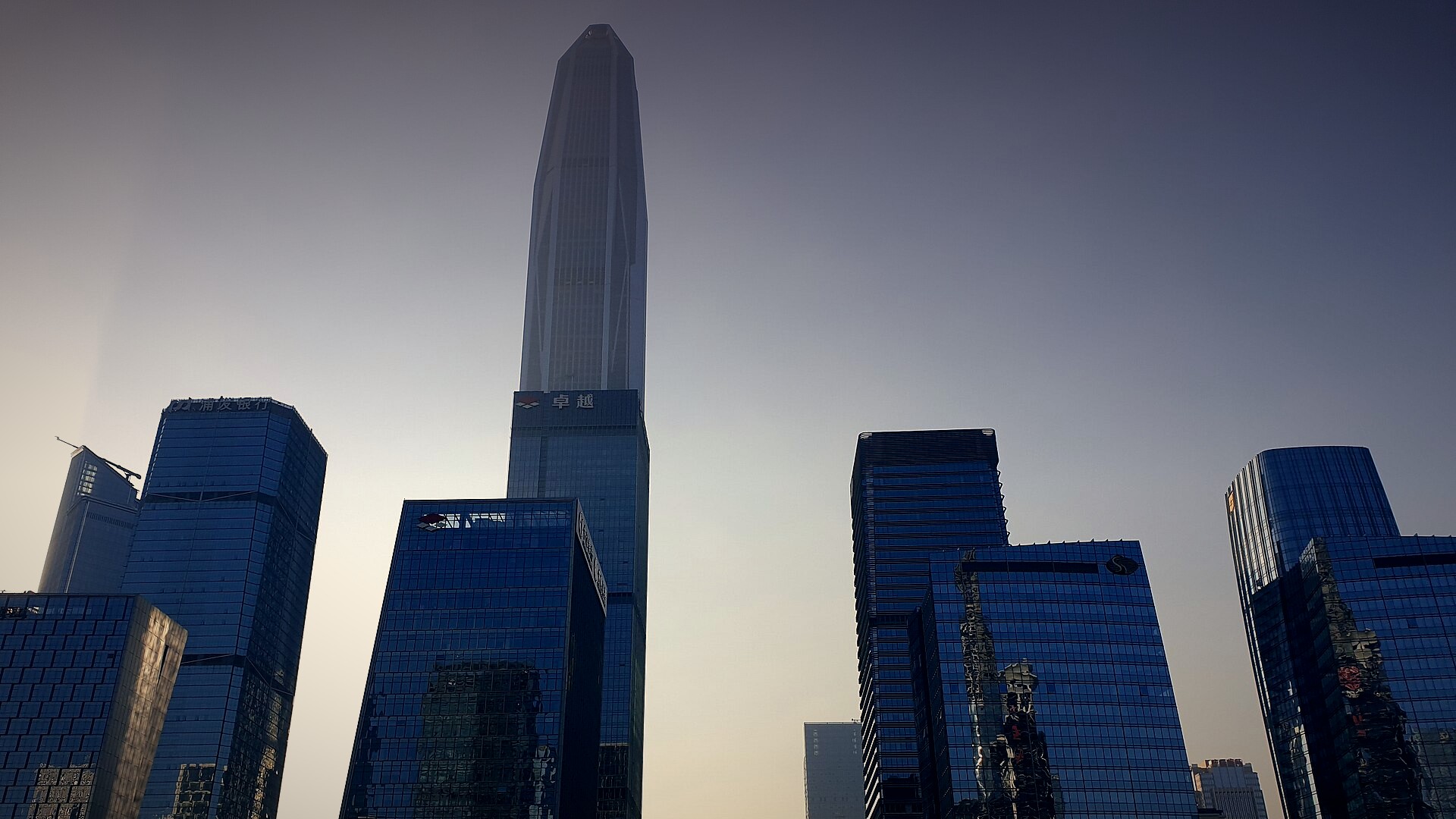
- XIV.Wikimedia Commons入黑中的城脈中心 (帝王69, CC0 1.0)🔗 https://commons.wikimedia.org/wiki/File:%E5%85%A5%E9%BB%91%E4%B8%AD%E7%9A%84%E5%9F%8E%E8%84%88%E4%B8%AD%E5%BF%83.jpg
Keep reading
Selected long reads to continue with.
 LONG READ
Europe's war reindustrialisation: how the continent is returning to arms factories and where the shift is heading
 LONG READ
Shenzhen: the first Trump–Xi–Putin meeting and the limits of the big three
 LONG READ
Nvidia on three fronts: a selloff, a spy scandal and China a week before decisive results
 LONG READ
Comments 0
No comments yet.