A nuclear cruise missile returns to US submarines: Raytheon wins the SLCM-N deal that Biden wanted to cancel
Raytheon has received a US Navy agreement to advance development of the Nuclear-Armed Sea-Launched Cruise Missile (SLCM-N), moving the programme from early concept work into a focused development phase, Naval Technology reports. Raytheon's Advanced Technology team will mature the missile design, integrate key subsystems and prepare for prototype demonstrations. The contract value, a detailed schedule and the number of prototypes were not disclosed.
Raytheon intends to use modular components from its existing weapons portfolio, which could shorten integration. Anduril Rocket Motor Systems, Divergent and Williams International are also working on the programme. "This contract reflects the critical importance of strengthening our nation's deterrence," said Raytheon's Colin Whelan.
From TLAM-N to SLCM-N
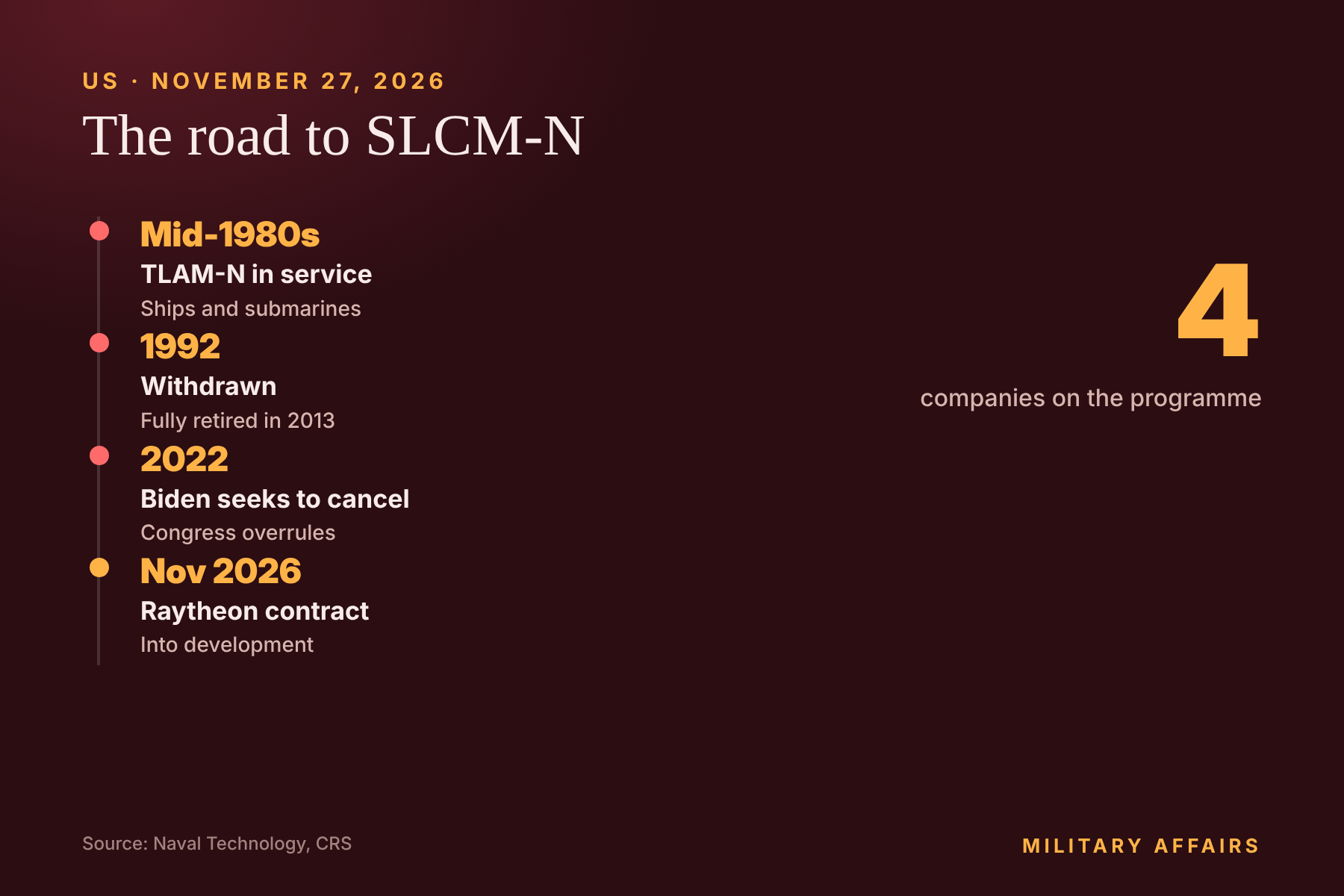
The Navy operated the nuclear-armed Tomahawk (TLAM-N) on ships and submarines from the mid-1980s, withdrew it in 1992 and completed its retirement in 2013, according to a Congressional Research Service report. The first Trump administration recommended a new missile in 2018 as a flexible, lower-yield deterrent. The Biden administration sought to cancel the programme in 2022 over costs and the impact on the Navy's conventional capacity, but Congress overruled it and kept funding it.
Sources and references
- I.Naval TechnologyRaytheon wins US Navy deal for submarine-launched nuclear cruise missile🔗 https://www.naval-technology.com/news/raytheon-us-navy-nuclear-missile/
Keep reading
Selected long reads to continue with.
 LONG READ
Hormuz, the Red Sea and the Baltic: how freedom of navigation became a spoil of war, and why oil is still getting cheaper
 LONG READ
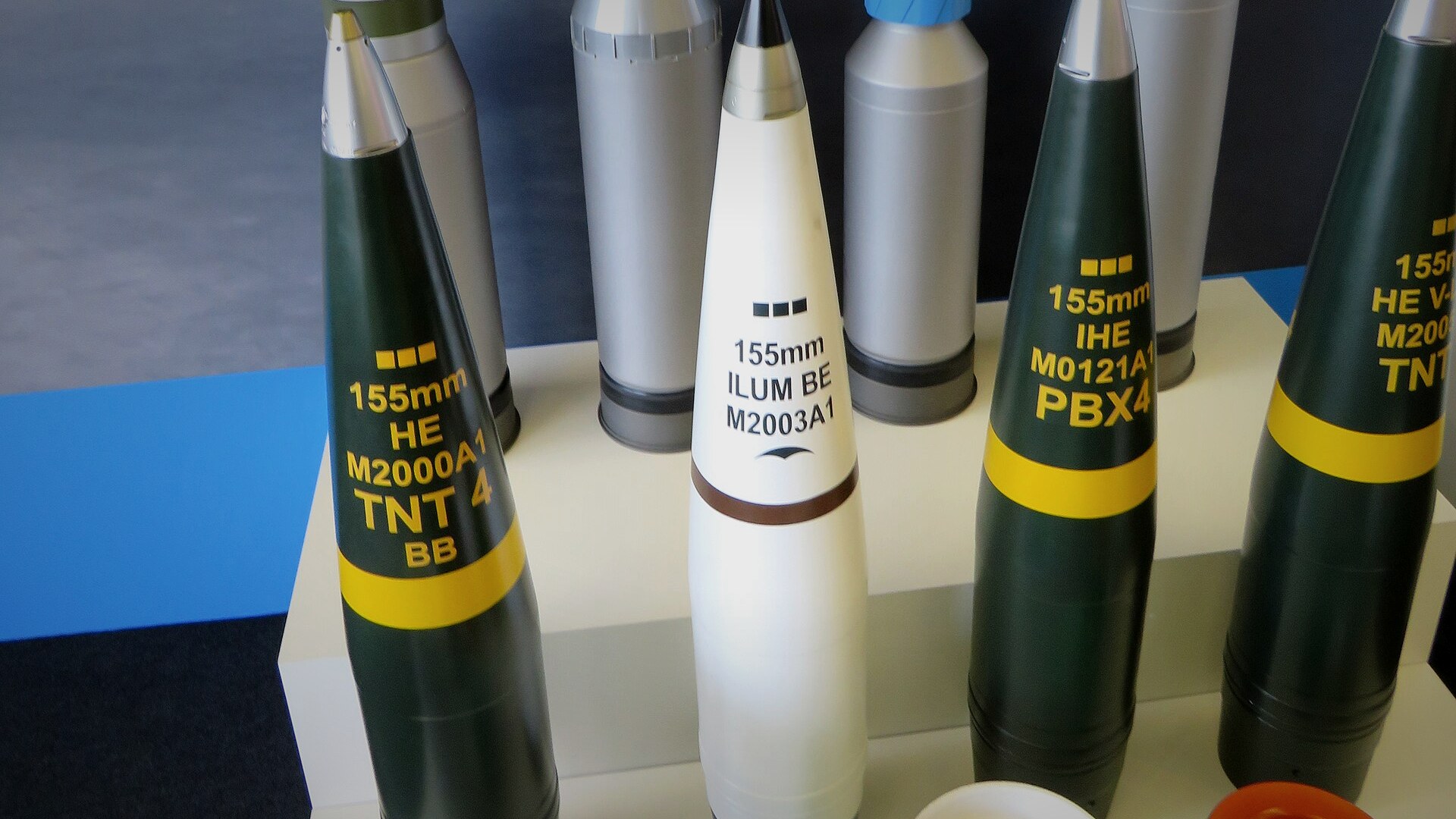
Europe's war reindustrialisation: how the continent is returning to arms factories and where the shift is heading
 LONG READ
After Shenzhen: what Trump, Xi and Putin achieved at the round table, and what stayed behind closed doors
 LONG READ
Comments 0
No comments yet.