African cities are sinking faster than the IPCC thought: satellite radar shows Alexandria and Lagos dropping up to six millimetres a year
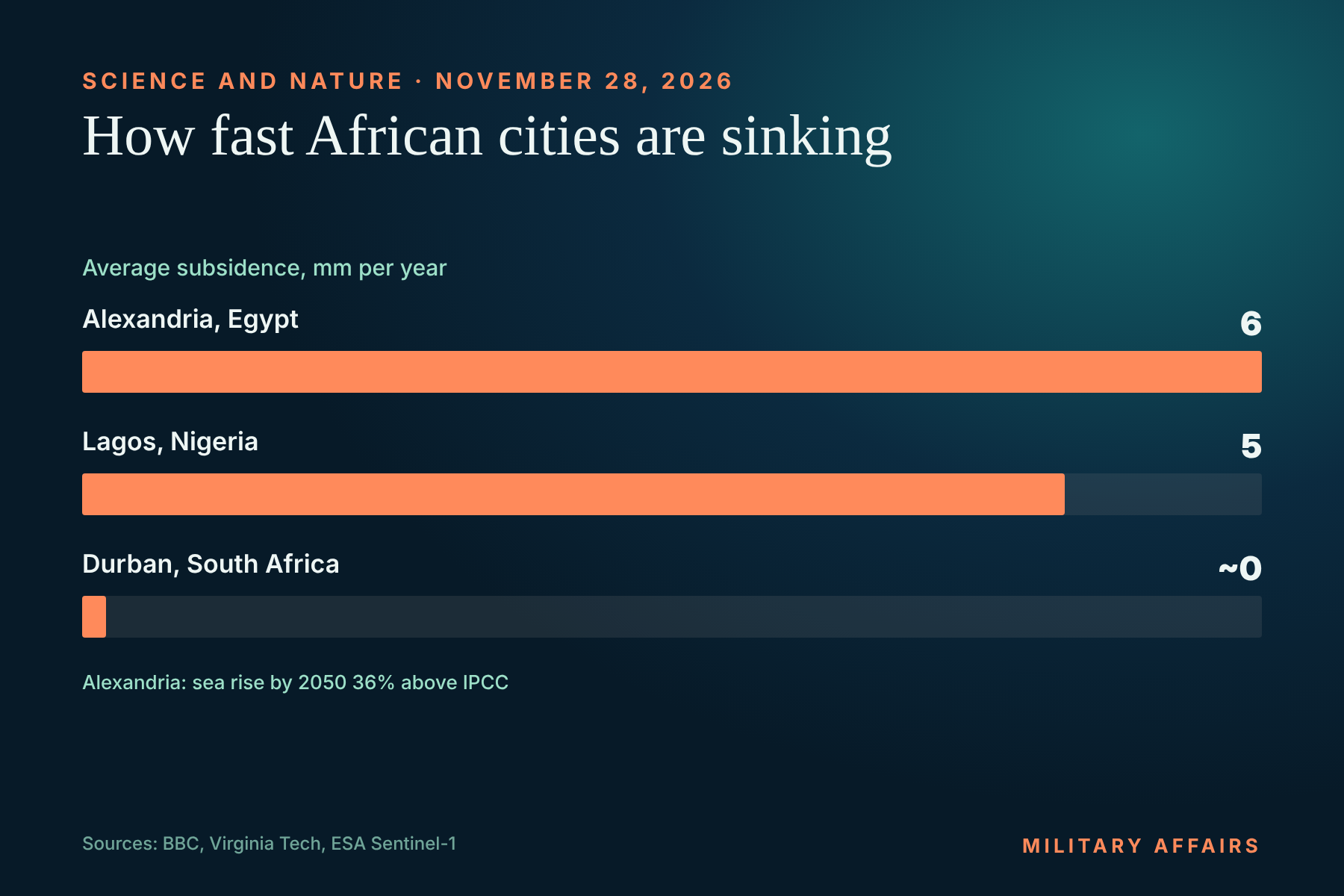
Some of Africa's largest cities are sinking faster than previously thought, new research shows, the BBC reports. Scientists used radar imagery from the European Space Agency's Sentinel-1 satellites to map land movement beneath 20 African coastal cities and found that some, including Lagos in Nigeria and Alexandria in Egypt, are sinking much faster than estimated in 2021 by the Intergovernmental Panel on Climate Change (IPCC).
The ground under Alexandria and Lagos is sinking an average of 6 mm and 5 mm a year respectively. If that continues, sea levels around Alexandria would rise 36% more by 2050 than the IPCC predicted under middle emission estimates. Luanda in Angola has also sunk significantly, while Durban in South Africa has remained stable or even risen slightly. The study estimates that by 2050 seven million people and $180 billion of assets could be at flood risk.
"Invisible in everyday life"
"The effects of subsidence are often invisible in everyday life, but over decades they can substantially increase flood exposure," said lead author Oluwaseyi Dasho. The satellites pass over the same area every six to 12 days and detect movements as small as 1 mm a year. Main causes include groundwater extraction in fast-growing cities and, in Lagos, land reclamation for artificial islands; the Aswan Dam on the Nile may be trapping sediment that would otherwise replenish Alexandria's sinking land.
Sources and references
- I.BBC NewsNew satellite data shows how fast some African cities are sinking🔗 https://www.bbc.co.uk/news/articles/cq074p95z4llo
Keep reading
Selected long reads to continue with.
 LONG READ
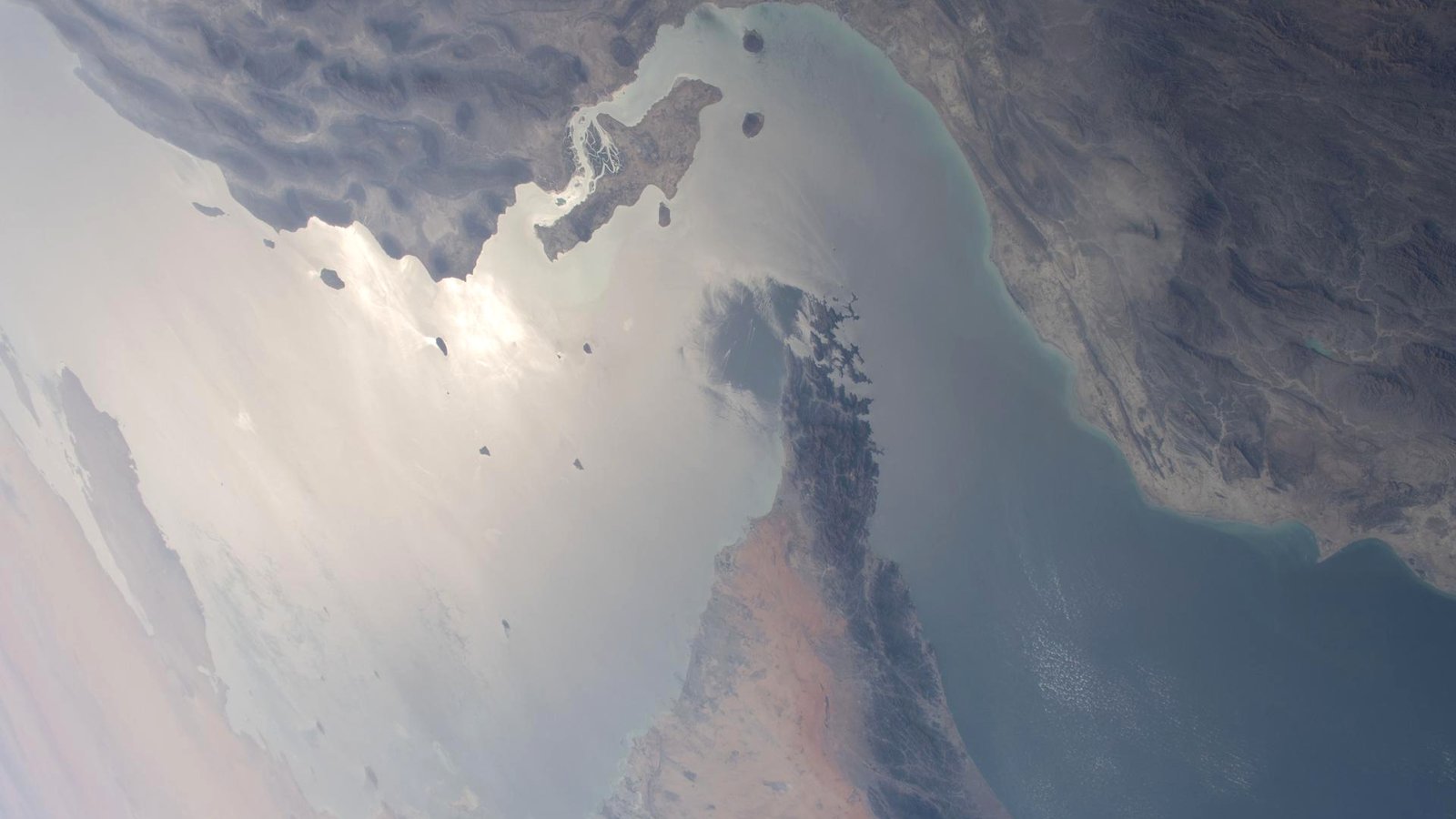
Hormuz, the Red Sea and the Baltic: how freedom of navigation became a spoil of war, and why oil is still getting cheaper
 LONG READ
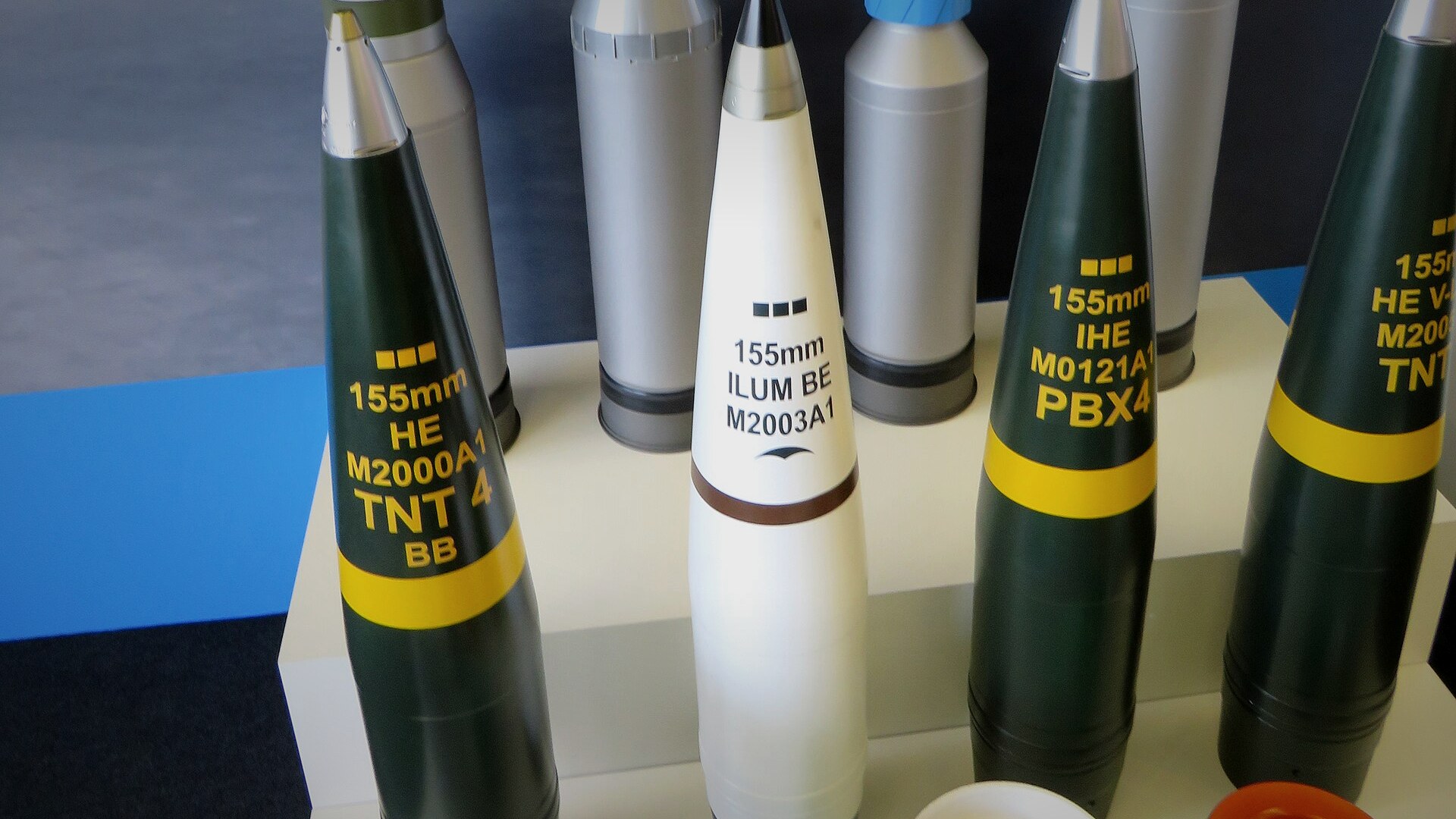
Europe's war reindustrialisation: how the continent is returning to arms factories and where the shift is heading
 LONG READ
After Shenzhen: what Trump, Xi and Putin achieved at the round table, and what stayed behind closed doors
 LONG READ
Comments 0
No comments yet.