A year after El Fasher: Sudan, the war the world watches from space
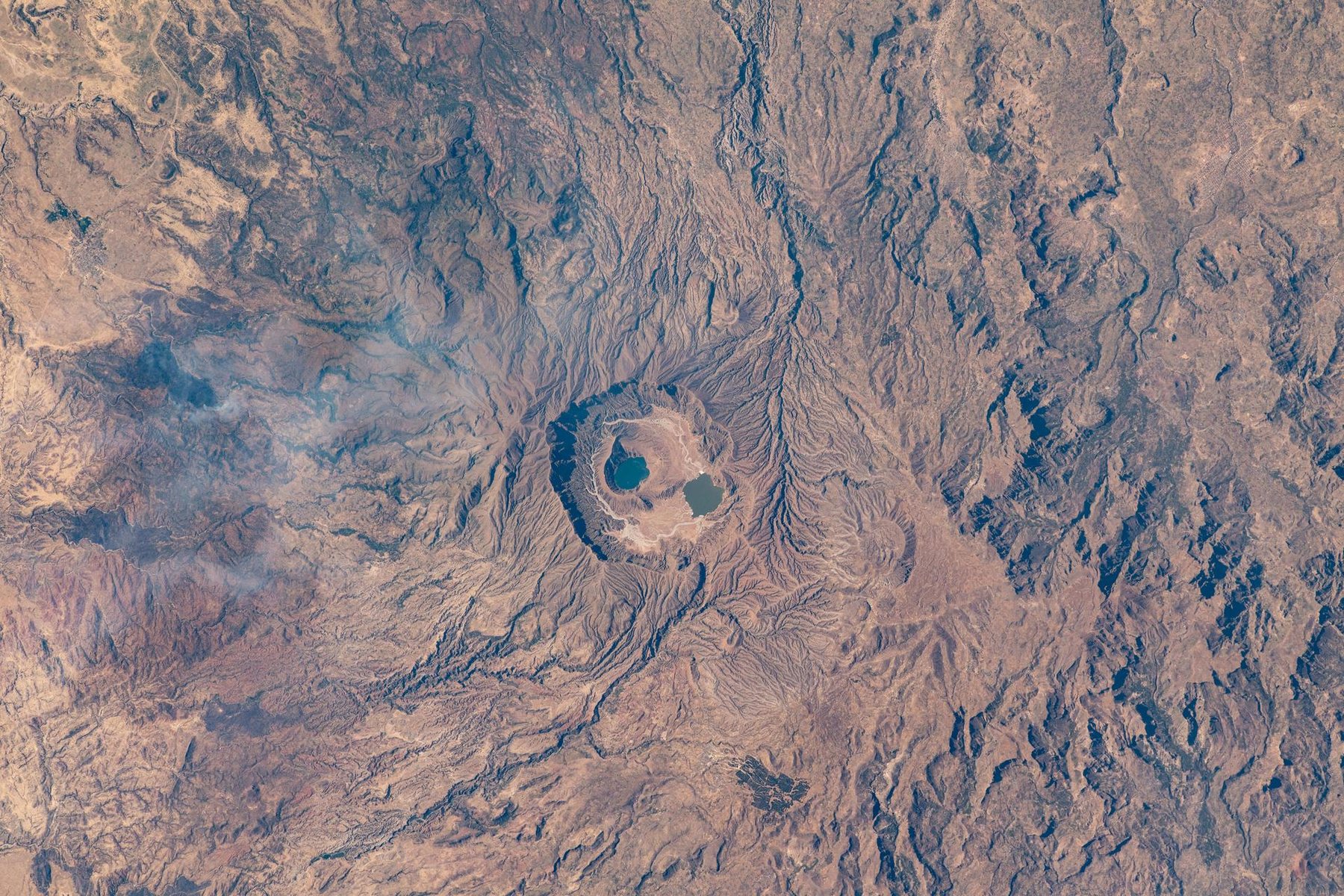
In late October 2025, the Rapid Support Forces (RSF) seized El Fasher, the Sudanese army’s last major stronghold in Darfur, after a siege lasting about 18 months. A year later, the most precise picture of what happened comes not from the ground but from orbit.
The Humanitarian Research Lab at the Yale School of Public Health published a report based on satellite imagery on October 29. Its finding is simple and grim: a city that, together with the surrounding Abu Shouk, El Salam and Zamzam camps, had between one and two million inhabitants before the siege has today been reduced to activity across about five square kilometers.
What the satellites show
The researchers measured vegetation. Between January and March 2026 it grew by 9.02 percent in the city compared with the 2019–2023 average, by 13.38 in the southeast and by 10.64 percent north of Abu Shouk. When grass grows in the streets, it means no one is walking them. The only exception is the First Class neighborhood, where growth was just 2.72 percent: that is where the RSF and the remaining residents are.
Of nine major markets, eight show no human activity, vehicle movement or animal presence in imagery from September 2026. Of 19 monitored health facilities, none shows crowds, organized ambulance movement, maintenance or reconstruction. Excavation or burning sites were observed at five major hospitals. Within the grounds of El Fasher Teaching Hospital, an ash pit appeared between November 2025 and March 2026 and had been completely filled in by July. At the children’s hospital, a new pit appeared in September and was subsequently filled in. According to the report, ground changes at the children’s hospital and the Southern Hospital may indicate mass graves or the concealment of evidence.
Doctors Without Borders (MSF), which was allowed a four-hour visit in January under constant RSF supervision, estimates that about 70,000 people now live in a city that once had about a million inhabitants. “The El Fasher I knew no longer exists, it is a completely destroyed city,” a resident who returned in June 2026 told Amnesty International.
From siege to genocide?
The UN Fact-Finding Mission concluded on February 19 that the killings during the capture of the city on October 26 and 27, 2025, constitute “hallmarks of a genocidal course”, pointing to a siege directed against non-Arab communities, particularly the Zaghawa and Fur. Amnesty International concludes that the RSF committed crimes against humanity and ethnic cleansing. The Sudan Doctors Network says 460 people were killed at the Saudi Maternity Hospital in October 2025, which the RSF denies; Yale’s imagery from October 27 and 28 “appears to show groups of bodies” in that area.
According to a BBC investigation cited by Eurasia Review, at least 43 attacks on hospitals and health facilities in El Fasher were recorded between May 2024 and October 2025, killing 55 health workers. Since the war began in April 2023, the World Health Organization has recorded 2,036 people killed in 213 attacks on health facilities across the country. The health minister of the RSF-backed government, Alaa Eldin Nugud, calls the allegations “lies”.
The drone war reaches Khartoum
Although the Sudanese army (SAF) has retaken Khartoum, the war has not subsided but changed form. According to a chronology by the Council on Foreign Relations (CFR), drones became the main weapon of both sides in the second half of October. Unidentified drone strikes in Khartoum on October 19 killed three children, while an army strike on RSF targets in Nyala the same day killed 17 people. A strike on a market in Nyala on October 26 claimed 21 lives. On October 27, the RSF hit a transformer supplying millions of Khartoum residents and five power plants in the east of the country, and on November 1 the government accused the RSF of fresh strikes on energy infrastructure in Abu Hamad and El Daba.
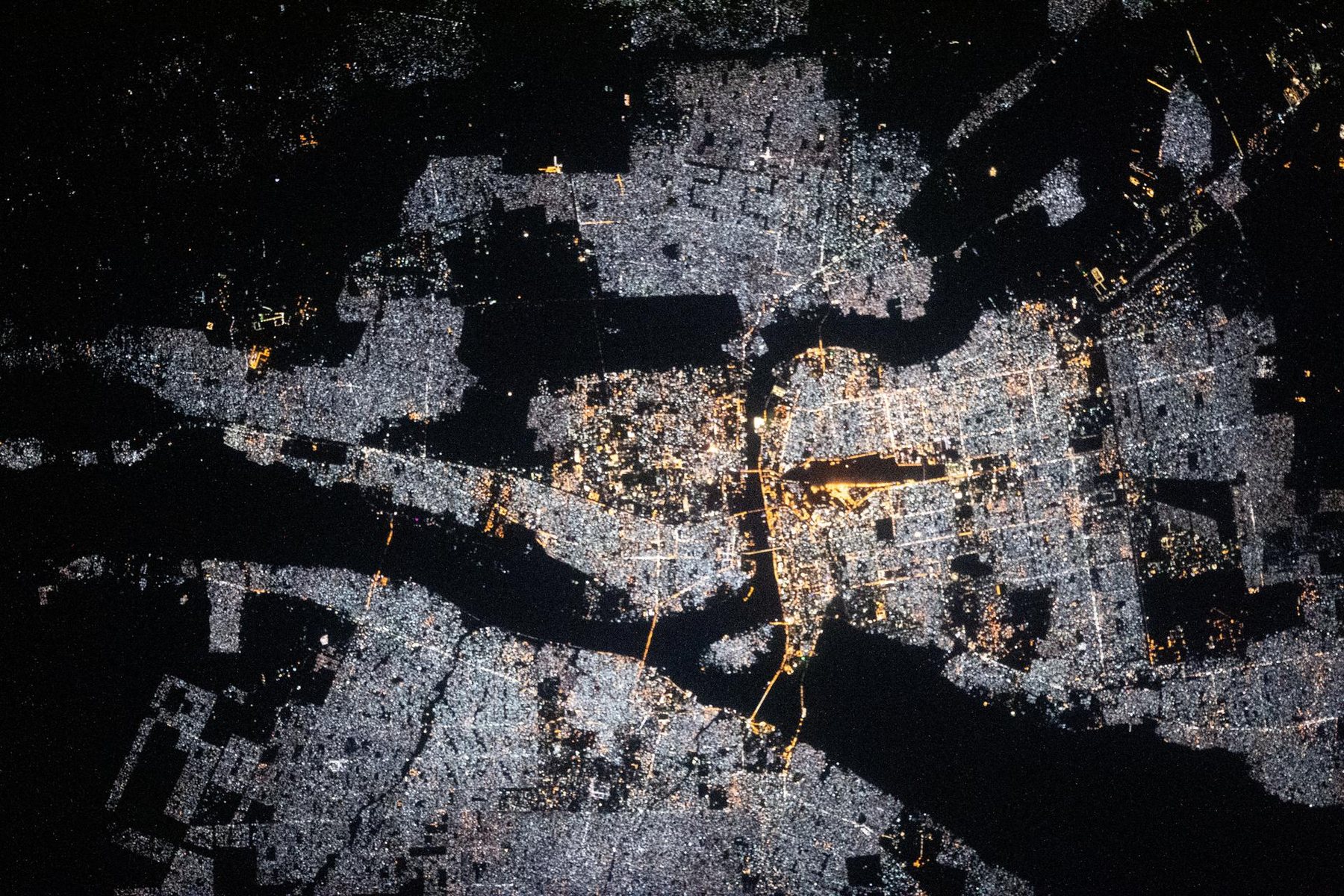
In the west, the RSF holds most of Darfur and is besieging El Obeid, whose fall, according to CFR, would open a direct corridor toward the capital. At the same time, a string of senior RSF commanders has been defecting to the army; the latest defection was announced on October 30.
War to order
Sudan is a war between two Sudanese sides, but it is enabled by outside actors. According to CFR, the United Arab Emirates is the RSF’s most important backer and is accused of supplying drones and weapons via Chad, which it officially denies; Amnesty says that support has continued. Ethiopian military facilities have been linked to supplying and training the RSF. On the other side, Egypt is the army’s most committed regional ally, Iran supplies “Mohajer-6” drones, and Russia and its Africa Corps provide logistical, military and intelligence support. In March 2025, Sudan filed a case at the International Court of Justice accusing the UAE of complicity in genocide.
The US-led diplomatic framework, the so-called Quad with Saudi Arabia, the UAE and Egypt, contains a paradox: two of the four mediating states are simultaneously accused of arming opposing sides. Amnesty describes ceasefire attempts as “half-hearted” and says it is unaware of any diplomatic attempt to create an international protection force.
Why this matters beyond Africa
Sudan today is a laboratory of the warfare to come: cheap drones against cities and power grids, sieges tracked by satellite rather than by a journalist’s camera, and proxy wars in which regional powers test weapons and influence without any accountability. The Yale report concludes that early warnings were issued for more than two years, but that political interests and diplomatic calculations prevented decisive protection of civilians. The lab calls for an international investigation and unimpeded access for the International Criminal Court before the evidence is destroyed.
Findings on possible mass graves are based on analysis of satellite imagery and testimony and have not been confirmed by an independent investigation on the ground.
Sources and references
- I.allAfricaSudan War – Yale Report Reveals El Fasher's Devastation a Year After RSF Takeover🔗 https://allafrica.com/stories/202610300072.html
- II.Eurasia ReviewHow El-Fasher remains gripped by fear one year after Sudan's RSF seized the city🔗 https://www.eurasiareview.com/28102026-how-el-fasher-remains-gripped-by-fear-one-year-after-sudans-rsf-seized-the-city-analysis/
- III.Council on Foreign RelationsCivil War in Sudan – Global Conflict Tracker🔗 https://www.cfr.org/global-conflict-tracker/conflict/power-struggle-sudan
- IV.UN NewsSudan: 'Hallmarks of genocide' found in El Fasher, UN investigators detail mass killings and ethnic targeting🔗 https://news.un.org/en/story/2026/02/1166997
Keep reading
Selected long reads to continue with.
 LONG READ
Referendum at the gas pump: how the war with Iran cost Trump Congress
 LONG READ
The Baltic “NATO lake” and the escalation trap: how hybrid war is nearing the threshold of open conflict
 LONG READ
A siege that endures: Mali between a jihadist blockade and Russian support
 LONG READ
Comments 0
No comments yet.